
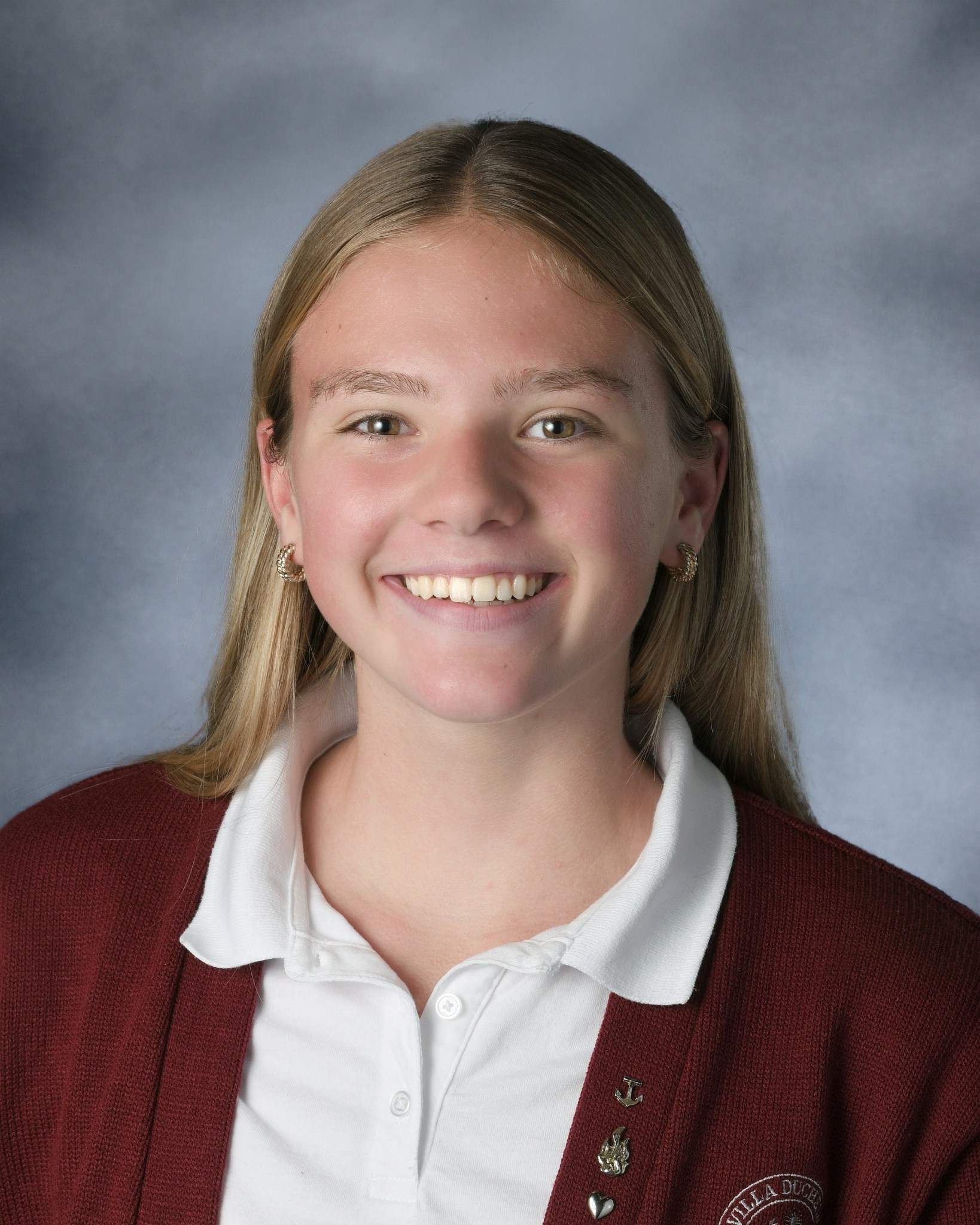
2027 Prospect Fit Report — Emory University
Skyler Hoefener
2027 CDM / Center Back — St. Louis, MO · AFA Fillies ECNL · Villa Duchesne High School
Overall Emory Fit Assessment
Elite academic institution with a nationally competitive DIII program in the UAA — the strongest DIII conference in America. Emory's ~11% acceptance rate is the honest challenge here, but a 4.1 GPA, NHS membership, and athletic recruiting support create a path. The UAA peer group (WashU, UChicago, Carnegie Mellon) signals what kind of student-athlete thrives at Emory: exactly this profile.
Roster Turnover & Positional Need
Defensive and midfield projection for Fall 2027 based on the 2025 published roster.
The University Athletic Association is the strongest DIII conference in the country — featuring WashU, UChicago, Carnegie Mellon, NYU, Brandeis, Case Western, and Rochester alongside Emory. DIII rosters are smaller and roster spots carry more weight. Every graduating senior creates real playing time, not just a roster line. The 2027 class will be critical for maintaining Emory's competitive position in a conference where the margin between first and fifth is razor-thin.
DIII programs carry smaller rosters than DI — typically 25-30 players. Standard four-year eligibility means roughly a quarter of the roster turns over each year. By Fall 2027, the entire current senior and junior class will have graduated, creating significant openings in the defensive and midfield units. At the DIII level, every incoming player has a realistic path to meaningful minutes — and at 5'11" with CDM/CB versatility, Hoefener would immediately address the physical profile most DIII rosters lack.
DIII rosters are built differently — every player matters more. Hoefener's CDM/CB versatility, 5'11" frame, and 16-assist season from deep bring a combination of physical presence and playmaking that's exceptionally rare at the DIII level. In the UAA, where possession-based systems reward technical defensive midfielders, this profile is a program-changer.
Unlike DI, DIII programs can't offer athletic scholarships — so recruiting is won through relationships, campus culture, and academic fit. The programs that engage early and personally win the best student-athletes. Hoefener already has fit reports for UAA peers WashU, UChicago, and Carnegie Mellon. Emory should be in that conversation.
Player Evaluation
Scouting assessment based on film review, statistical analysis, and competitive context.
Physical Profile: At 5'11", Hoefener would likely be the tallest defensive player on the roster. In DIII — where rosters are smaller and physical mismatches are harder to recruit — her height, aerial dominance, and strength create an asymmetric advantage on set pieces and in defensive duels. The 300+ game Iron Man streak confirms she doesn't miss time. In a conference where every match matters, availability is a competitive edge.
Defending: Missouri All-Region, All-Conference First Team as a sophomore — in a strong soccer state. She consistently neutralizes top attackers at the ECNL level. The UAA rewards disciplined, positionally sound defenders who read the game. Her defensive IQ translates directly to the conference's tactical style of play.
Distribution: 16 assists in a single season from the CDM position — leading her entire conference. Not as a winger or a 10, but as the deepest-lying midfielder on the pitch. The UAA is a possession-based conference. A CDM who progresses the ball under pressure and creates chances from deep is the engine of a UAA system. This is the rarest skill set at the DIII level.
Engine / Fitness: Cross Country All-Conference and a 3rd-place finish in the Greater St. Louis 10k confirm elite aerobic capacity. UAA schedules are compact — the ability to sustain intensity across a compressed season is critical. She doesn't just play every match; she dominates through full 90s.
Leadership / Culture: ECNL captain. Founder and President of Villa Duchesne's FCA chapter. Duchesne House Leader. 100+ hours of community service. DIII programs are built on student-athletes who lead in the classroom and on the field simultaneously. She didn't join a club — she built one. That initiative is exactly what Emory's culture rewards.
Academic Fit: 4.1 GPA, NHS member, 5 Honors and 1 AP through sophomore year, History and Theology Department Awards. The honest challenge: Emory's ~11% acceptance rate and mid-50% SAT range of 1470-1560 make it highly selective, though her ACT of 33 sits within Emory's mid-50% ACT range of 33-35. However, athletic recruiting support at DIII programs like Emory carries real weight in admissions — coaches' endorsements can bridge the gap for student-athletes who demonstrate academic trajectory and extracurricular leadership of this caliber.
Bidirectional Fit Analysis
The case from each side — and the honest assessment.
Emory's ~11% acceptance rate is the real hurdle. An ACT of 33 sits within Emory's mid-50% ACT range (33-35) — 98th percentile nationally. This is not a disqualifier — DIII coaching staff support in admissions is meaningful, and Skyler's 4.1 GPA, leadership resume, and extracurricular depth strengthen the application significantly. But it requires the coaching staff to actively advocate in the admissions process. The earlier that relationship begins, the stronger the case becomes.
DIII recruiting at highly selective schools works differently — it's a relationship built over months, not a single offer. Hoefener's ECNL showcases throughout spring 2026 and Playoffs in June are live evaluation opportunities. But the admissions timeline is the real clock. Building the coaching relationship early gives the staff time to support her application through Emory's process.
Credential Summary
Verified athletic and academic honors.
Opportunities for Engagement
DIII recruiting is built on relationships. Here's how to start one.
A 5'11" ECNL-level CDM/CB with a 4.1 GPA, All-Region credentials, 16 assists from deep, and a leadership resume that matches Emory's institutional values. She already has fit reports for UAA peers WashU, UChicago, and Carnegie Mellon. If Emory isn't in the conversation, someone else in the conference will be.
DIII recruiting at elite academics runs on a longer timeline — but starting early is still the advantage. A 5'11" ECNL captain with a 4.1 GPA and All-Region honors is being recruited at every level. Three of Emory's UAA peers already have fit reports. If the staff wants to compete for this student-athlete, the time to engage is now — not after she's visited Carnegie Mellon, UChicago, and WashU.
SkylerWren.com · (314) 914-0472 · PrepSoccer · Instagram @skyler.hoefener.2027 · YouTube Highlights · [email protected]